
CONSULTORÍA Y ASESORÍA
CONSULTING AND ADVICE
En Thoron le proporcionamos consultoría y asesoría para aplicaciones complejas... At Thoron we provide consulting and advice for complex applications...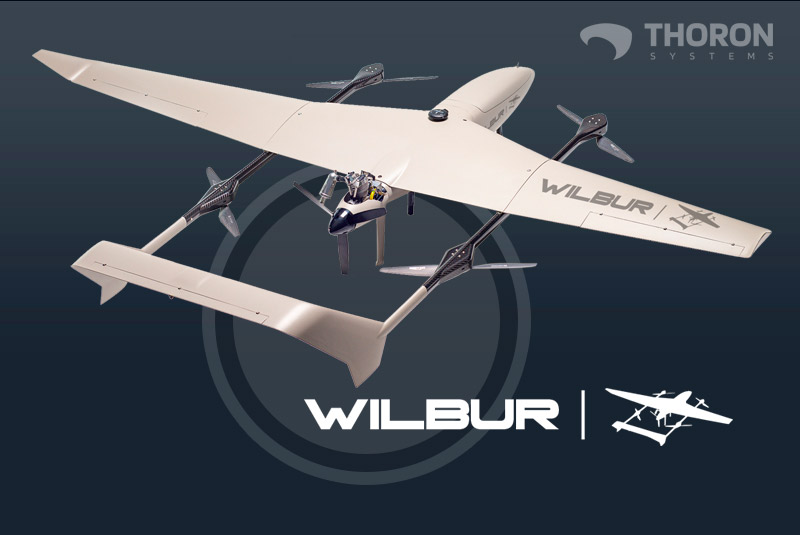
Modelos Wilbur
Los modelos Wilbur son aviones no tripulados VTOL de gran resistencia y de altas prestaciones. Su envergadura es de 2 a 6 metros, cuenta con cuatro motores VTOL de gran potencia y fiabilidad. Los motores VTOL son motores de combustión de doble cilindro con un generador de 500 opcional, aviónica avanzada y distribución de energía.
Wilbur Models
Wilbur models are heavy-duty, high-performance VTOL Drones. Their wingspan is from 2 to 6 meters, and they have four powerful and reliable VTOL engines. The VTOL engines are double cylinder combustion engines with an optional 500 generator, advanced avionics and power distribution.
Wilbur fue diseñado para un gran número de tareas gracias a su capacidad de carga, su operabilidad bajo condiciones climáticas extremas y su autonomía. Lo que le faculta de capturar datos de mayor calidad.
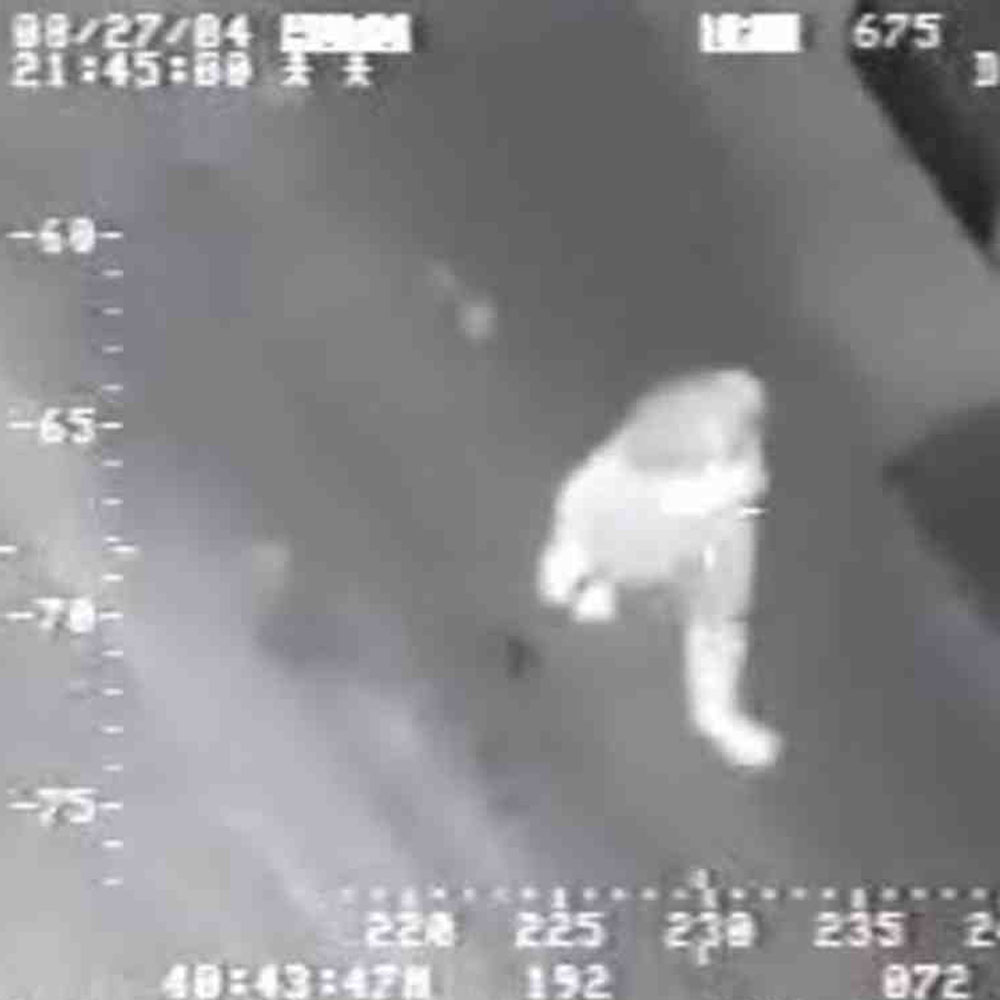
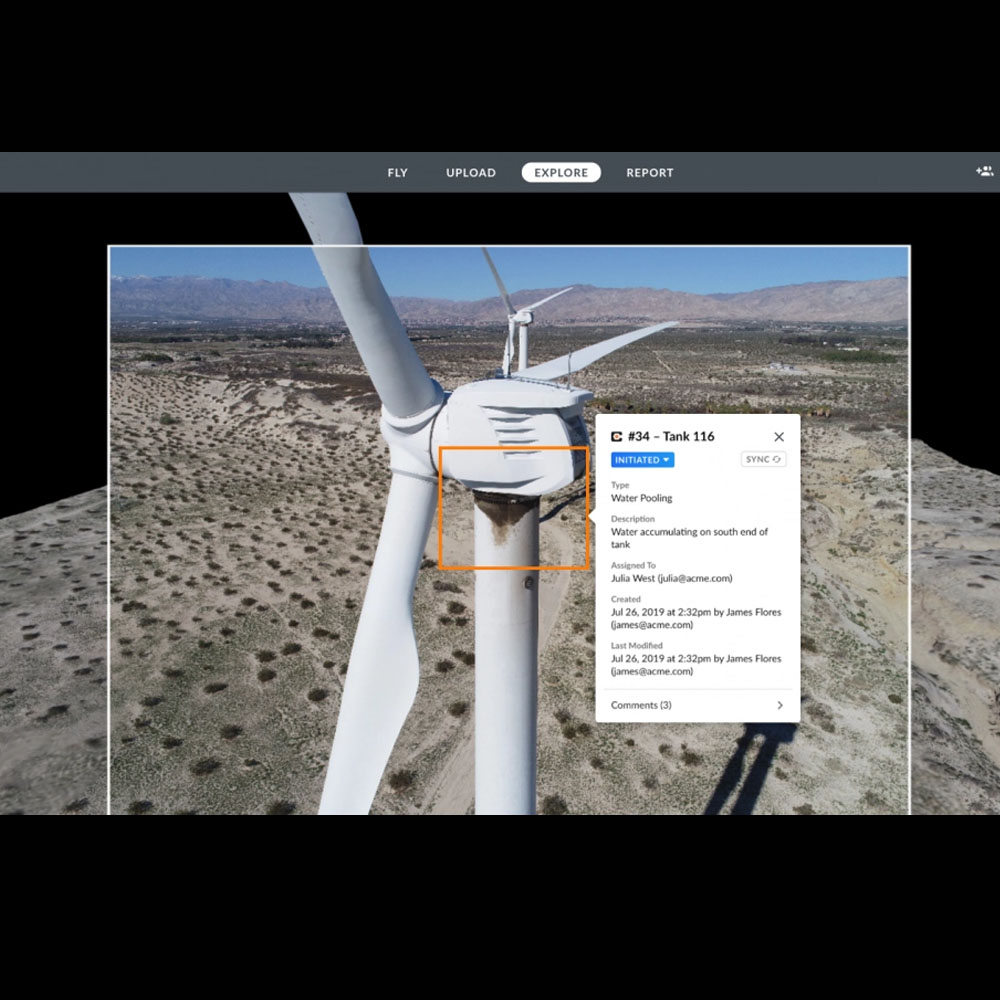
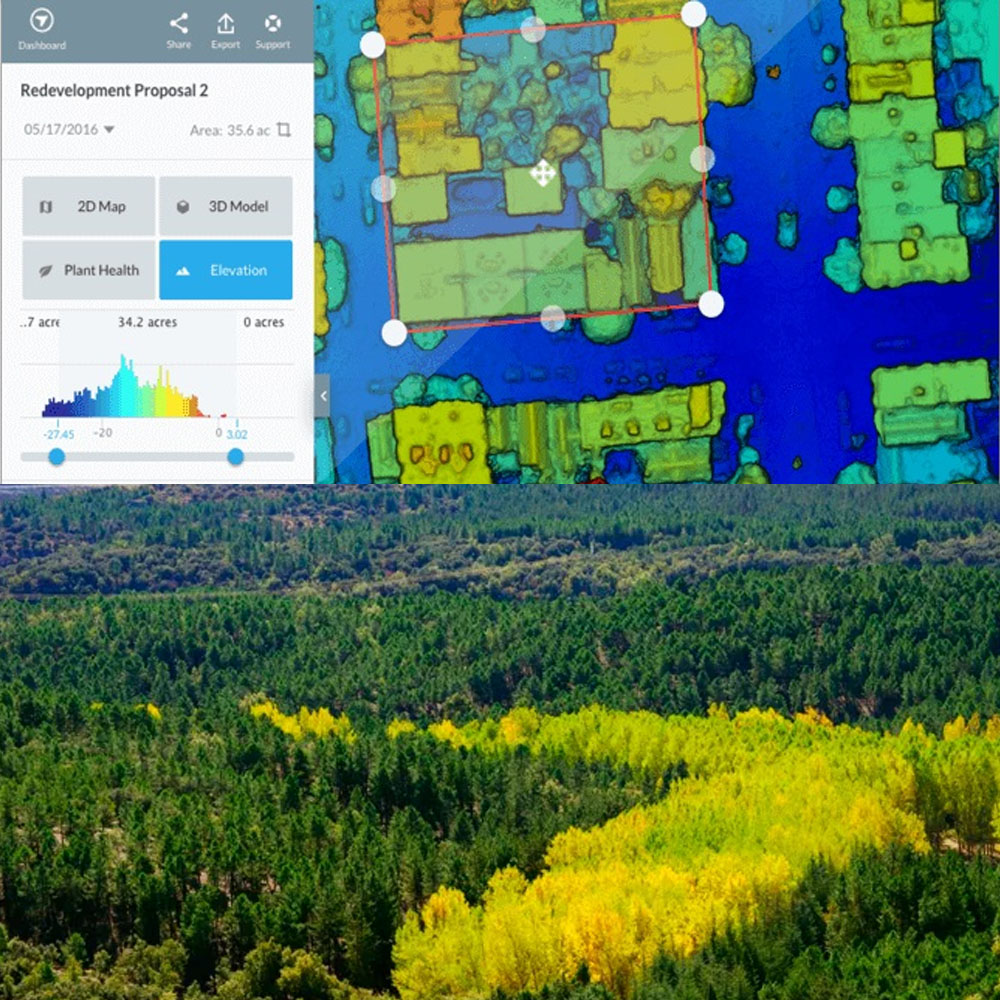
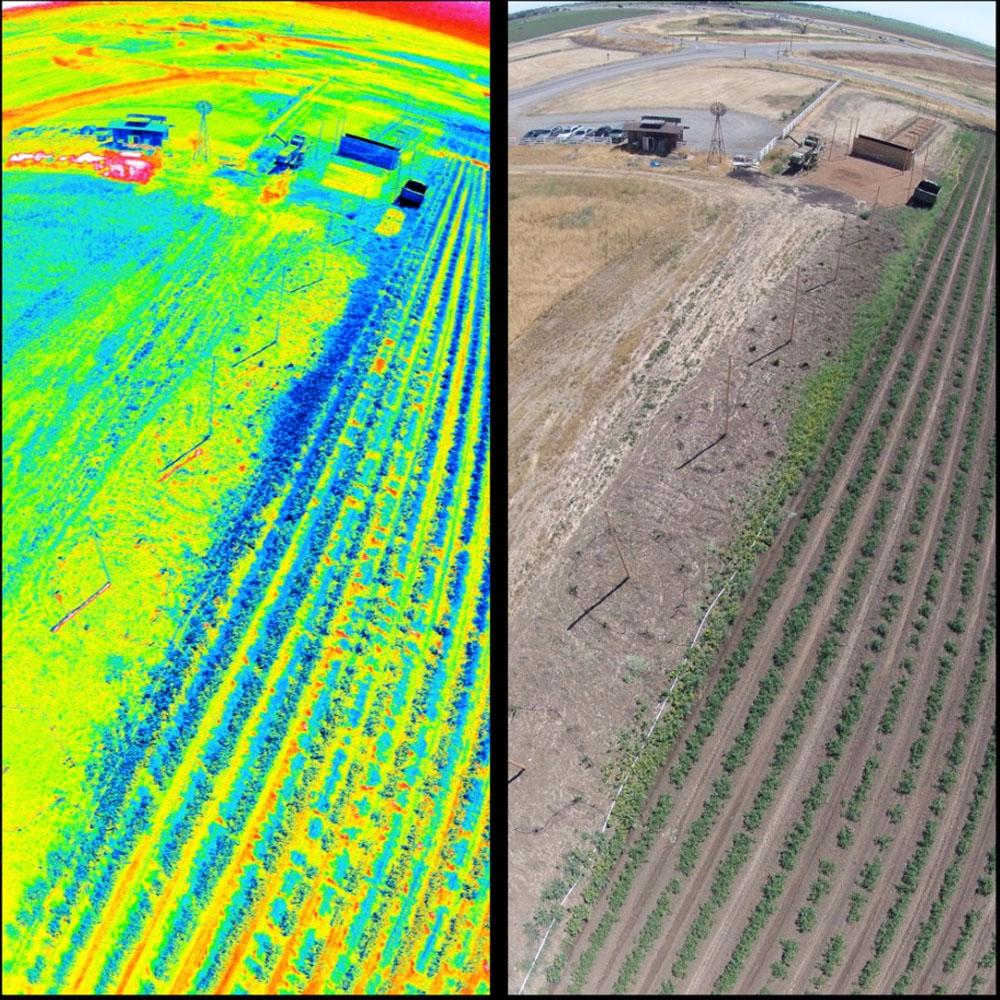
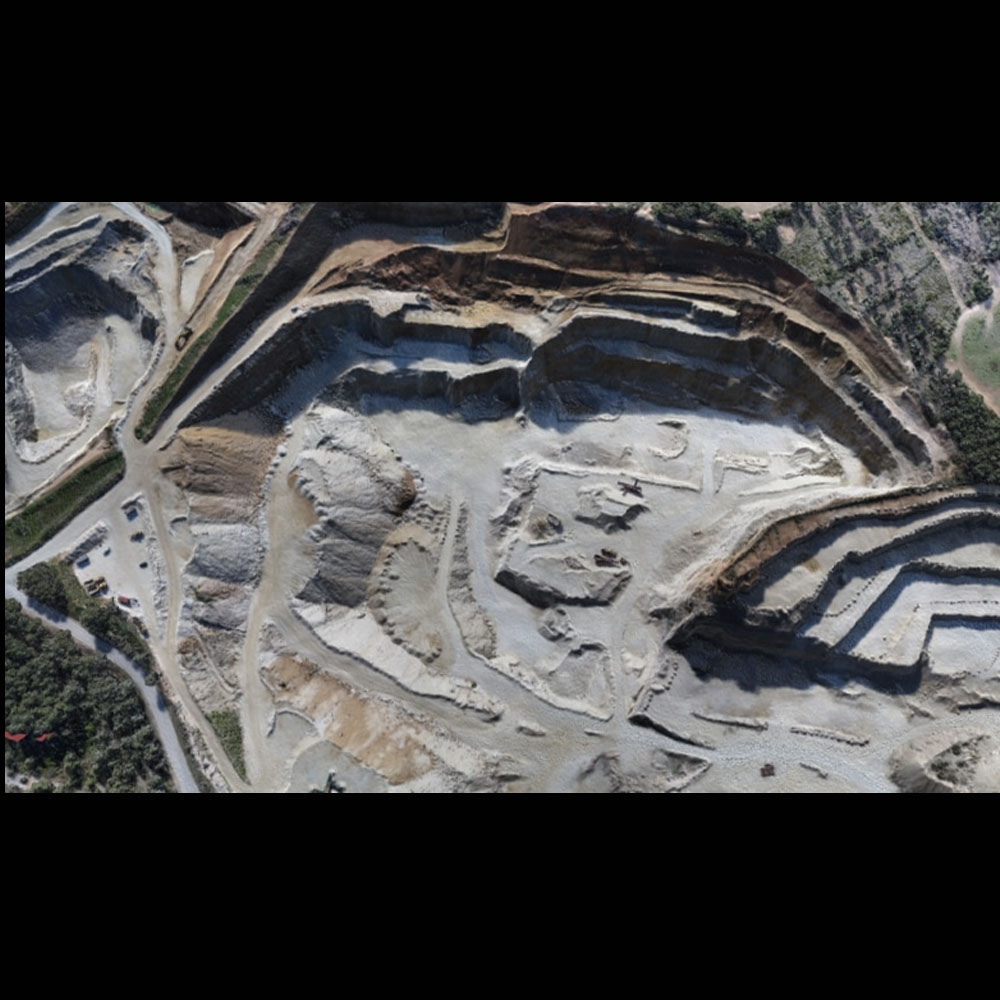
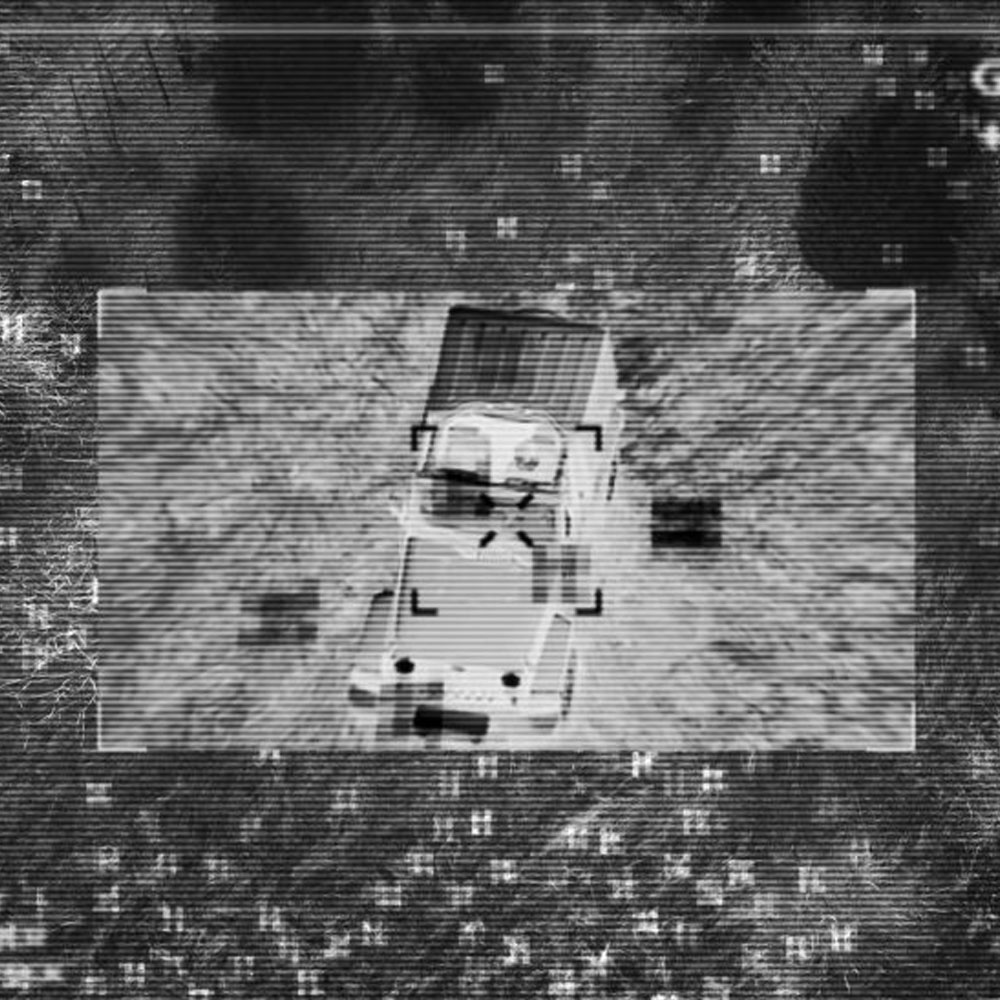
Gracias a su capacidad de carga pueden acoplarse desde sistemas de mapeo de alta resolución hasta cámaras EO/IR de vigilancia avanzada con seguimiento de objetos, termográficas, láser u otros.
Wilbur was designed for a large number of tasks thanks to its payload capacity, its operability under extreme climatic conditions and its autonomy. This enables to capture higher quality data.
Thanks to their payload capacity they can be coupled from high resolution mapping systems to advanced surveillance EO/IR cameras with object tracking, thermographic images, laser or others.
El fuselaje de Wilbur presenta un diseño aerodinámico avanzado con el concepto de ala fija híbrida que consiste en un componente de quadcopter para VTOL.
Wilbur emplea electricidad VTOL y gasolina para propulsión de ala fija, logrando una autonomía de 20 horas, 1800 Km.
The Wilbur fuselage features an advanced aerodynamic design with the concept of a hybrid fixed wing consisting of a quadcopter component for VTOL. VTOL.
Wilbur uses VTOL electricity and gasoline for fixed-wing propulsion, achieving a range of 20 hours of service and 1800 km of flight autonomy.
CARACTERÍSTICAS MODELOS WILBUR WILBUR MODELS FEATURES
| W6-100 | W6-150 | W3-420 | W2-550 | |
| Envergadura | 6000 mm | 3000 mm | 2000 mm | |
| Longitud | 4721 mm | 2300 mm | 1562 mm | |
| Altura (Empenaje) | 650 mm | 525 mm | 351 mm | |
| Carga máxima | 7 kg | 3 kg | 1,5 kg | 0,5 kg |
| Velocidad | 90 Km/h | 115 Km/h | 72 Km/h | |
| Altura vuelo | 4877 m | 3962 m | 3048 m | |
| Tiempo despegue vertical (VTOL) | 3 min | |||
| Tiempo vuelo propulsado | 20 horas | 16 horas | 12 horas | 6 horas |
| Temperaturas trabajo | -10° C to +50° C | |||
| Motorizaciones | T-Motor U15 II | T-Motor U7 | T-Motor MN501 | |
| Motor CV | 100 CV | 150 CV | 420 CV | 550 CV |
| ESC | T-Motor 180A FOC | T-Motor 80A Flame | T-Motor 60A | |
| Baterías | 12 x 16000mAh 4S Lipo | 2 x 9000mAh 4S Lipo | 2 x 3800mAh 4S Lipo | |
| W6-100 | W6-150 | W3-420 | W2-550 | |
| Wingspan | 6000 mm | 3000 mm | 2000 mm | |
| Length | 4721 mm | 2300 mm | 1562 mm | |
| Height (Pawn) | 650 mm | 525 mm | 351 mm | |
| Maximum load | 7 kg | 3 kg | 1,5 kg | 0,5 kg |
| Speed | 90 Km/h | 115 Km/h | 72 Km/h | |
| Flight height | 4877 m | 3962 m | 3048 m | |
| Vertical take-off time (VTOL) | 3 min | |||
| Powered flight time | 20 hours | 16 hours | 12 hours | 6 hours |
| Working temperatures | -10° C to +50° C | |||
| Motorizations | T-Motor U15 II | T-Motor U7 | T-Motor MN501 | |
| CV Motor | 100 CV | 150 CV | 420 CV | 550 CV |
| ESC | T-Motor 180A FOC | T-Motor 80A Flame | T-Motor 60A | |
| Batteries | 12 x 16000mAh 4S Lipo | 2 x 9000mAh 4S Lipo | 2 x 3800mAh 4S Lipo | |
| W6-100 | |
| Envergadura | 6000 mm |
| Longitud | 4721 mm |
| Altura (Empenaje) | 650 mm |
| Carga máxima | 7 kg |
| Velocidad | 90 Km/h |
| Altura vuelo | 4877 m |
| Tiempo despegue vertical (VTOL) | 3 min |
| Tiempo vuelo propulsado | 20 horas |
| Temperaturas trabajo | -10° C to +50° C |
| Motorizaciones | T-Motor U15 II |
| Motor CV | 100 CV |
| ESC | T-Motor 180A FOC |
| Baterías | 12 x 16000mAh 4S Lipo |
| W6-150 | |
| Envergadura | 6000 mm |
| Longitud | 4721 mm |
| Altura (Empenaje) | 650 mm |
| Carga máxima | 3 kg |
| Velocidad | 115 Km/h |
| Altura vuelo | 4877 m |
| Tiempo despegue vertical (VTOL) | 3 min |
| Tiempo vuelo propulsado | 16 horas |
| Temperaturas trabajo | -10° C to +50° C |
| Motorizaciones | T-Motor U15 II |
| Motor CV | 150 CV |
| ESC | T-Motor 180A FOC |
| Baterías | 12 x 16000mAh 4S Lipo |
| W3-420 | |
| Envergadura | 3000 mm |
| Longitud | 2300 mm |
| Altura (Empenaje) | 525 mm |
| Carga máxima | 1,5 kg |
| Velocidad | 72 Km/h |
| Altura vuelo | 3962 m |
| Tiempo despegue vertical (VTOL) | 3 min |
| Tiempo vuelo propulsado | 12 horas |
| Temperaturas trabajo | -10° C to +50° C |
| Motorizaciones | T-Motor U7 |
| Motor CV | 420 CV |
| ESC | T-Motor 80A Flame |
| Baterías | 2 x 9000mAh 4S Lipo |
| W2-550 | |
| Envergadura | 2000 mm |
| Longitud | 1562 mm |
| Altura (Empenaje) | 351 mm |
| Carga máxima | 0,5 kg |
| Velocidad | 72 Km/h |
| Altura vuelo | 3048 m |
| Tiempo despegue vertical (VTOL) | 3 min |
| Tiempo vuelo propulsado | 6 horas |
| Temperaturas trabajo | -10° C to +50° C |
| Motorizaciones | T-Motor MN501 |
| Motor CV | 550 CV |
| ESC | T-Motor 60A |
| Baterías | 2 x 3800mAh 4S Lipo |
| W6-100 | |
| Wingspan | 6000 mm |
| Length | 4721 mm |
| Height (Pawn) | 650 mm |
| Maximum load | 7 kg |
| Speed | 90 Km/h |
| Flight height | 4877 m |
| Vertical take-off time (VTOL) | 3 min |
| Powered flight time | 20 hours |
| Working temperatures | -10° C to +50° C |
| Motorizations | T-Motor U15 II |
| CV Motor | 100 CV |
| ESC | T-Motor 180A FOC |
| Batteries | 12 x 16000mAh 4S Lipo |
| W6-150 | |
| Wingspan | 6000 mm |
| Length | 4721 mm |
| Height (Pawn) | 650 mm |
| Maximum load | 3 kg |
| Speed | 115 Km/h |
| Flight height | 4877 m |
| Vertical take-off time (VTOL) | 3 min |
| Powered flight time | 16 hours |
| Working temperatures | -10° C to +50° C |
| Motorizations | T-Motor U15 II |
| CV Motor | 150 CV |
| ESC | T-Motor 180A FOC |
| Batteries | 12 x 16000mAh 4S Lipo |
| W3-420 | |
| Wingspan | 3000 mm |
| Length | 2300 mm |
| Height (Pawn) | 525 mm |
| Maximum load | 1,5 kg |
| Speed | 72 Km/h |
| Flight height | 3962 m |
| Vertical take-off time (VTOL) | 3 min |
| Powered flight time | 12 hours |
| Working temperatures | -10° C to +50° C |
| Motorizations | T-Motor U7 |
| CV Motor | 420 CV |
| ESC | T-Motor 80A Flame |
| Batteries | 2 x 9000mAh 4S Lipo |
| W2-550 | |
| Wingspan | 2000 mm |
| Length | 1562 mm |
| Height (Pawn) | 351 mm |
| Maximum load | 0,5 kg |
| Speed | 72 Km/h |
| Flight height | 3048 m |
| Vertical take-off time (VTOL) | 3 min |
| Powered flight time | 6 hours |
| Working temperatures | -10° C to +50° C |
| Motorizations | T-Motor MN501 |
| CV Motor | 550 CV |
| ESC | T-Motor 60A |
| Batteries | 2 x 3800mAh 4S Lipo |
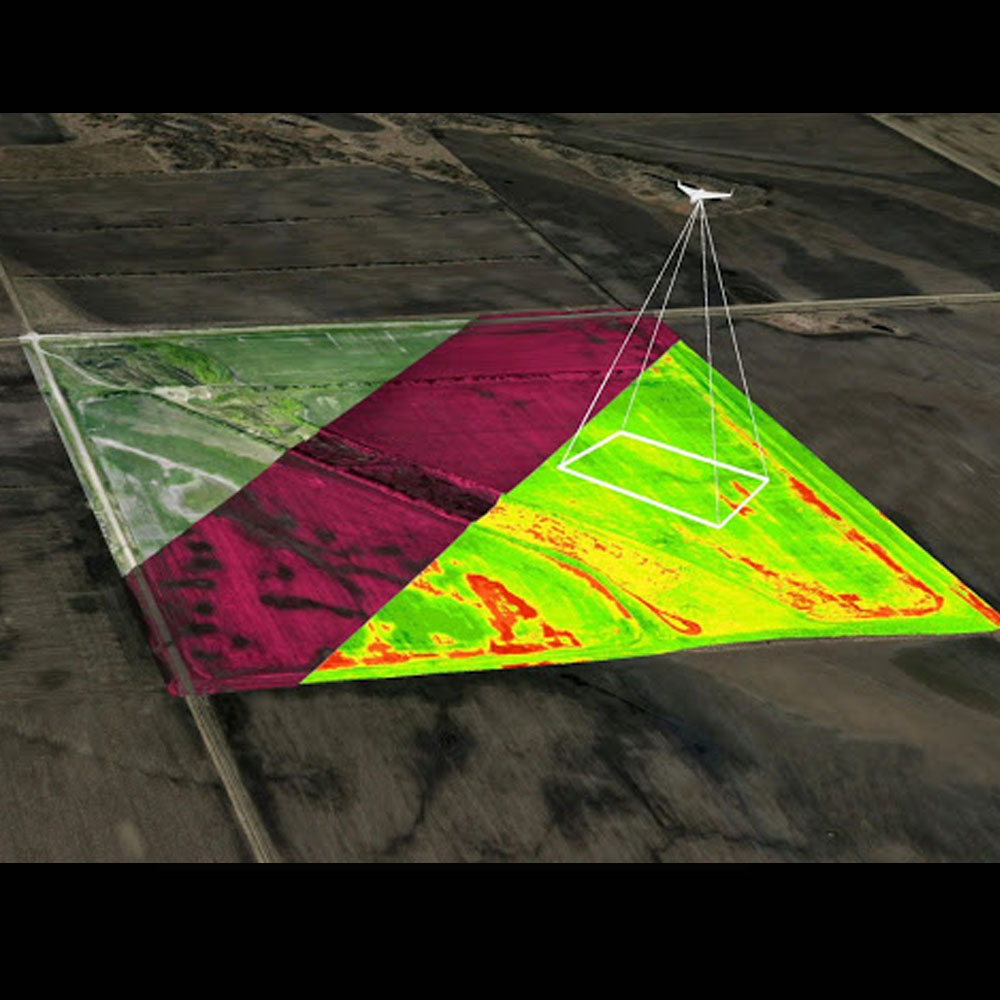
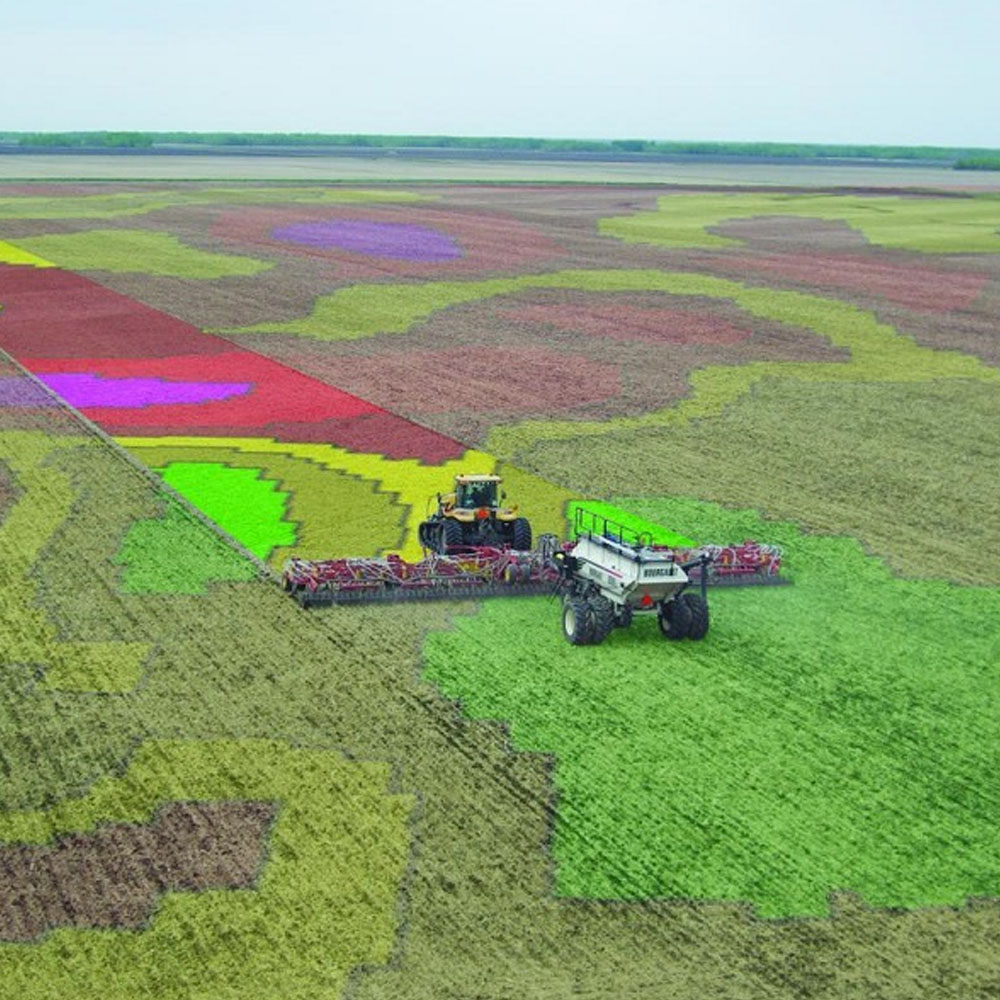
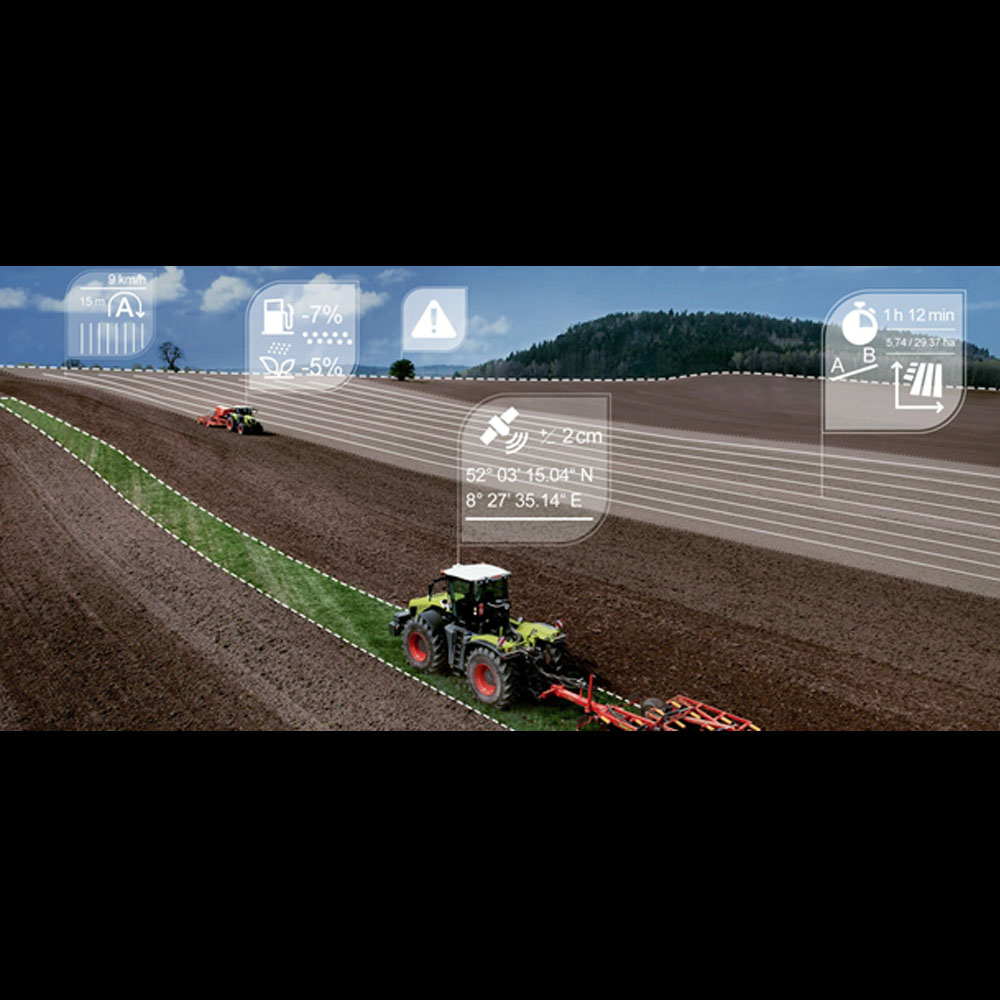


CARACTERÍSTICAS DE LOS DRONES UAV WILBUR y ORVILLE CHARACTERISTICS OF THE UAV WILBUR AND ORVILLE DRONES

Control de Drones UAV
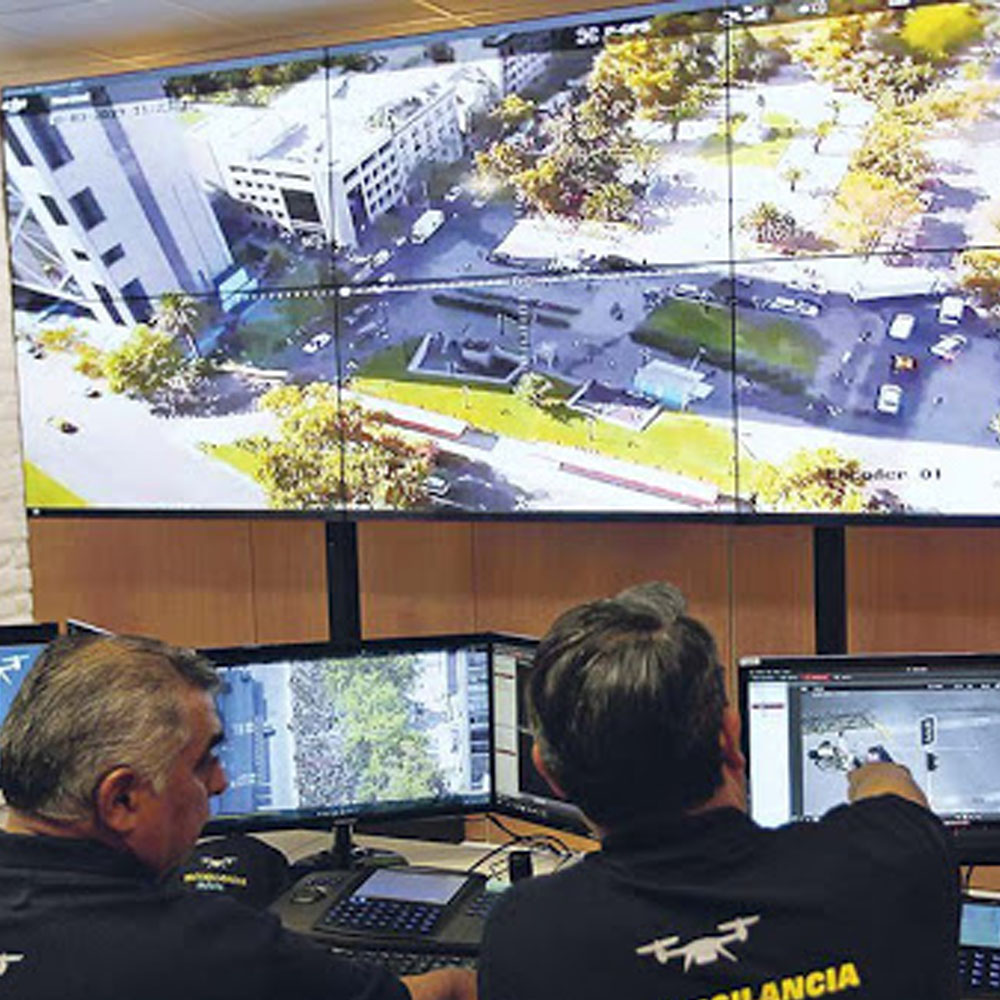
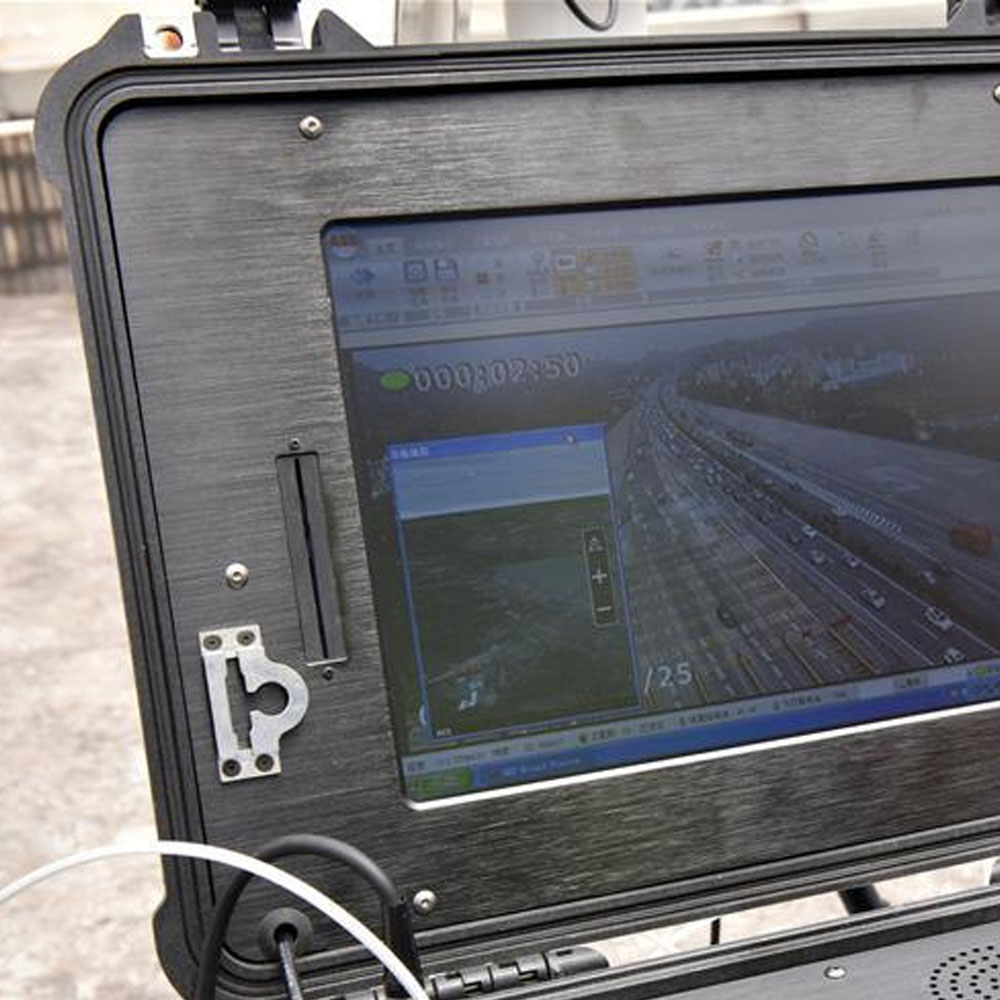
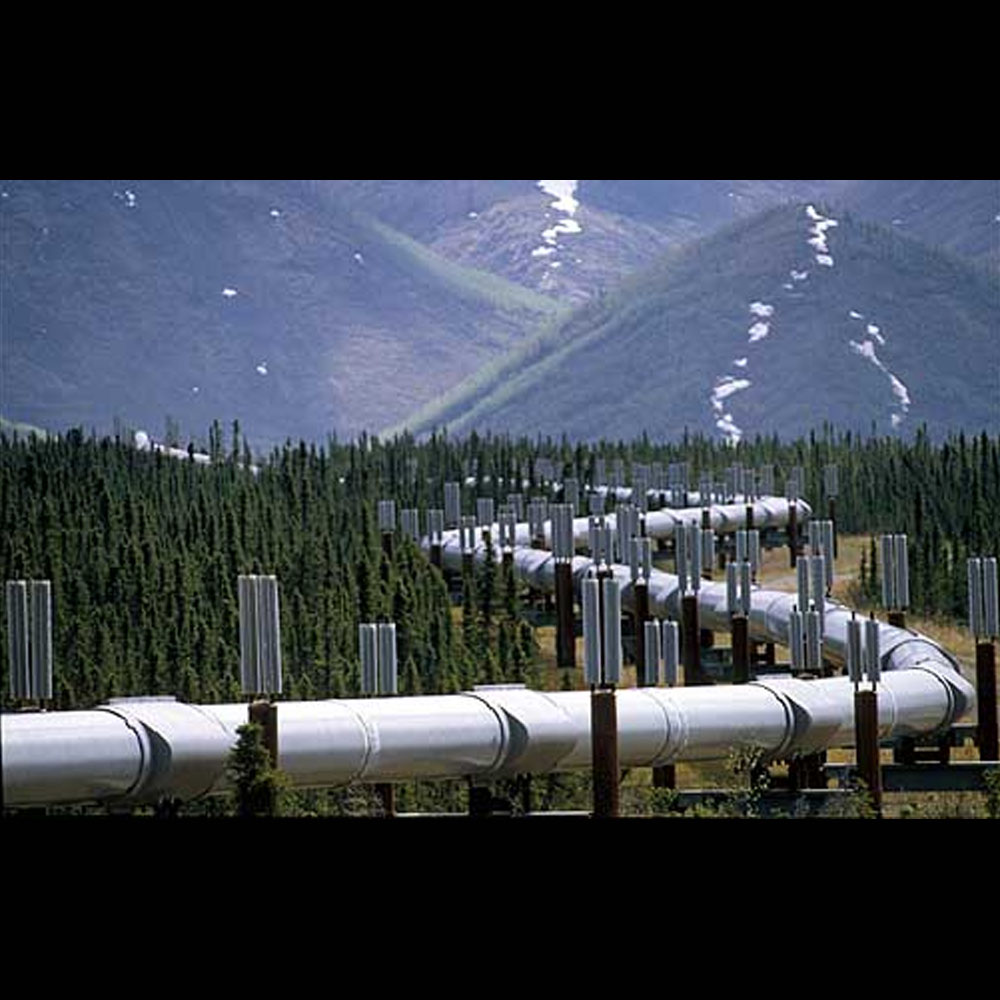
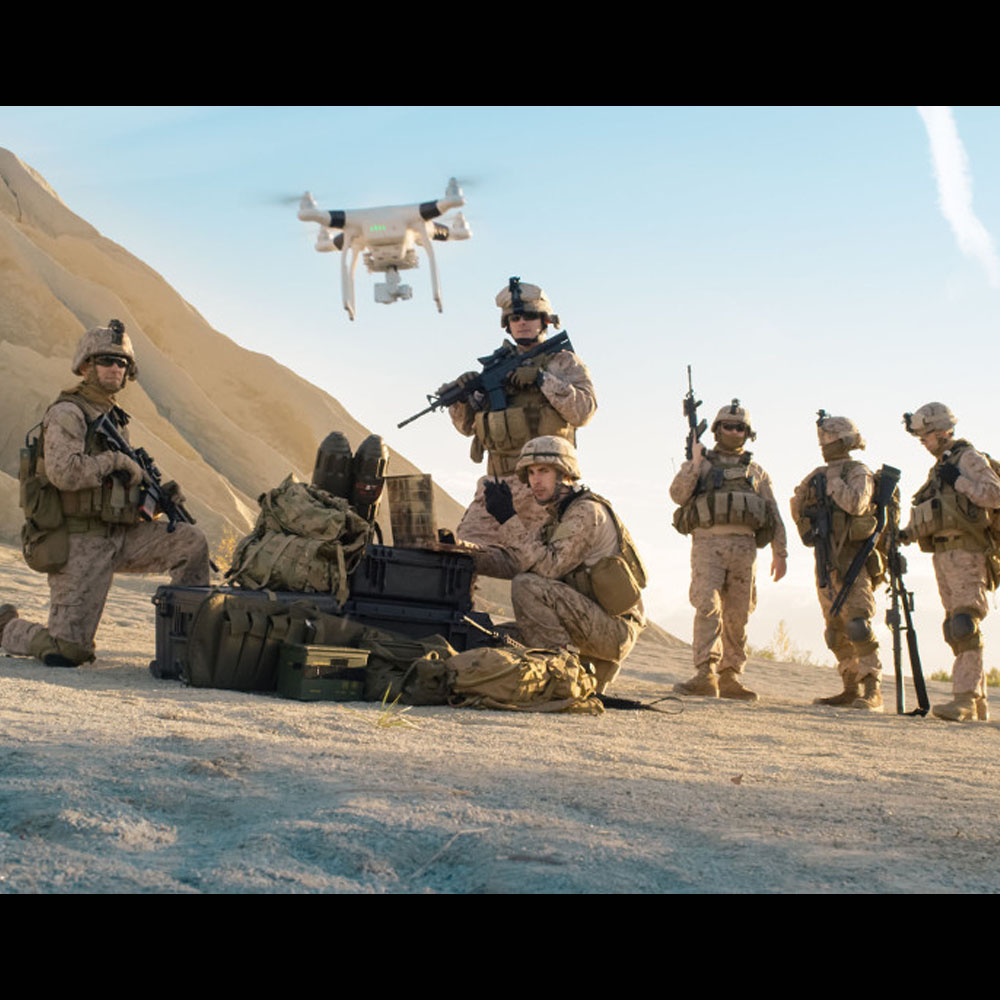
Los Drones UAV son aeronaves no tripuladas, diseñadas para múltiples aplicaciones civiles o militares vigilancia, protección e identificación.
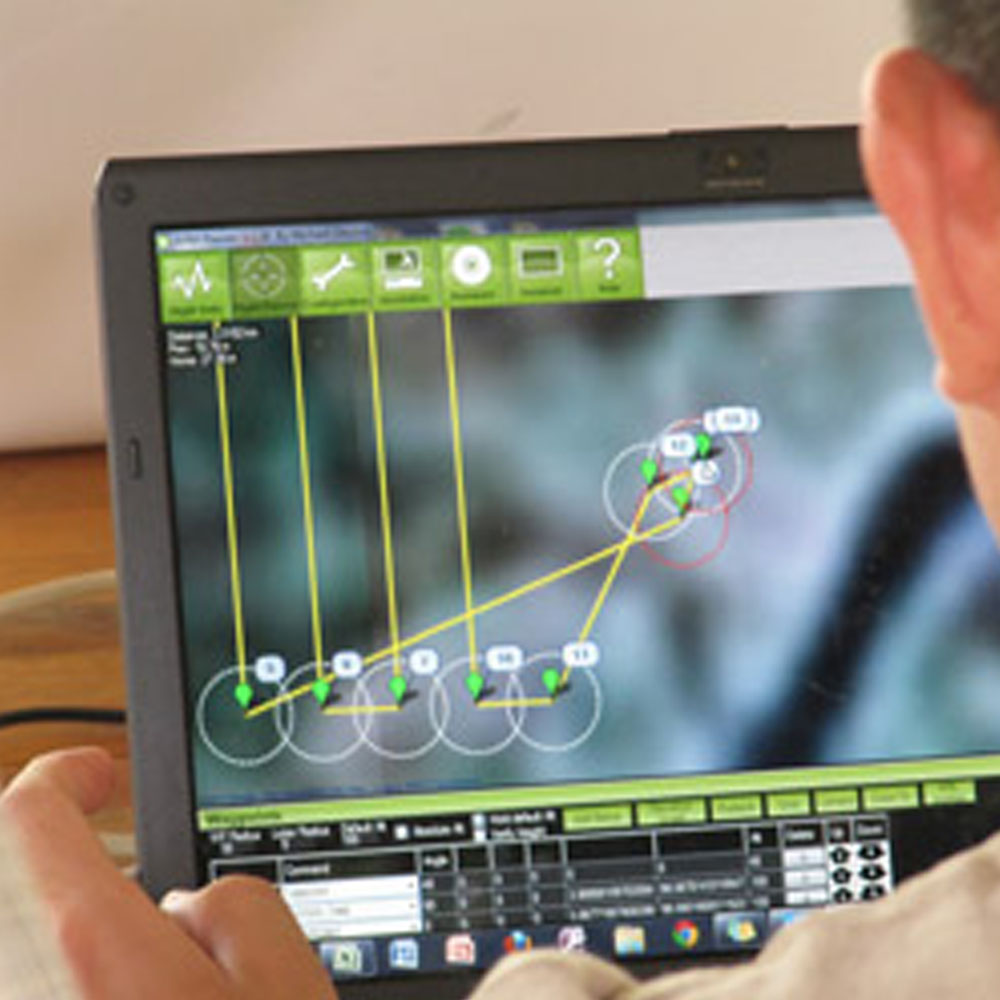
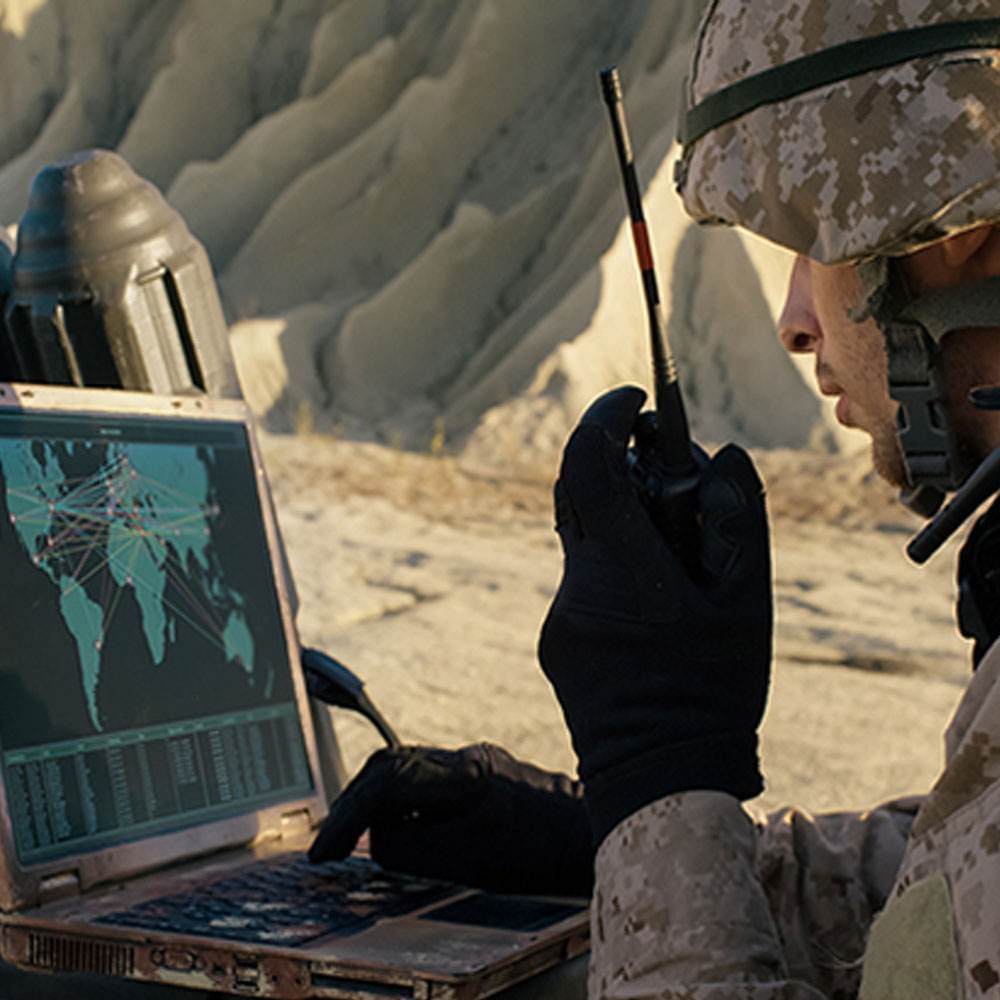
Los Drones UAV presentan dos opciones de control, uno operado por un piloto a distancia y otro por un sistema de IA, un software de inteligencia artificial, donde no interviene el factor humano.
Este tipo de vuelos controlados por un sistema basado en IA permiten realizar tareas totalmente de forma autónoma superando los límites de otras alternativas asistidos por pilotos humanos.
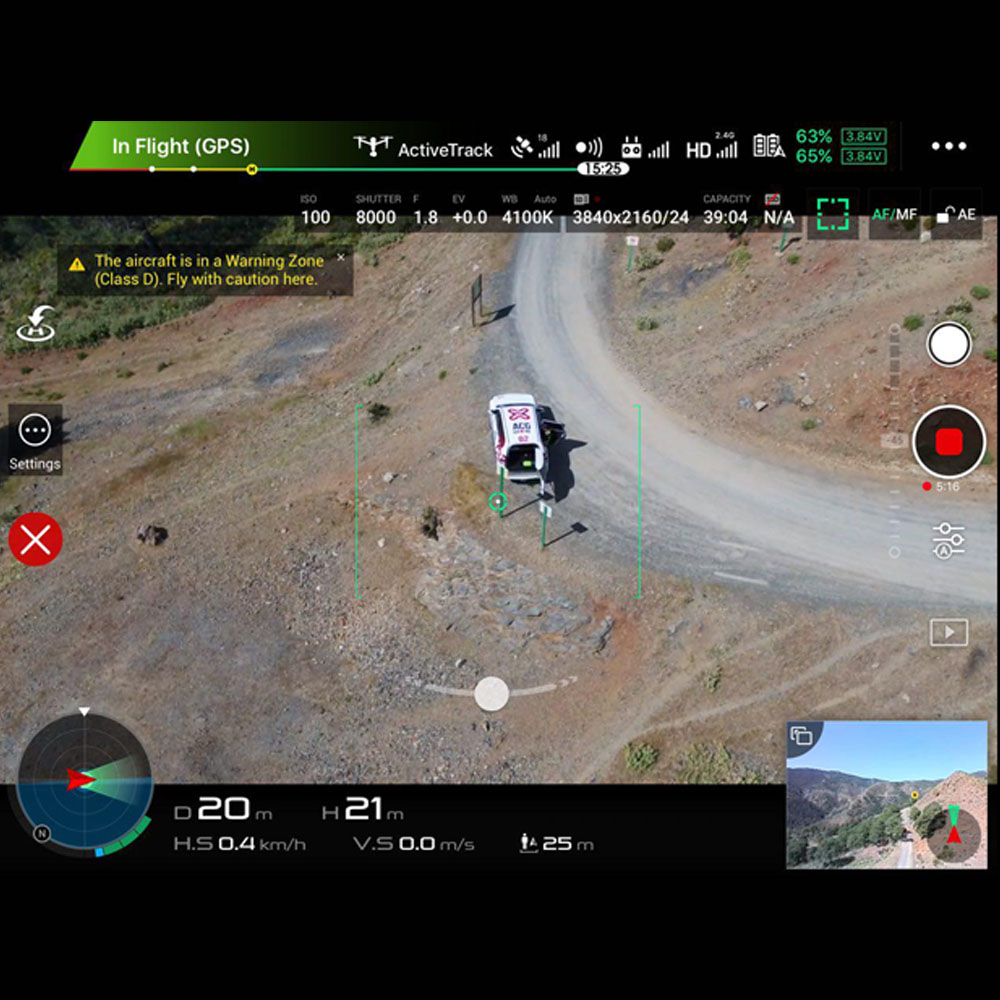
La siguiente lista enumera las capacidades de los drones en vuelo:
- Verificación del estado de la aeronave.
- V2. Conectar con el controlador de vuelo.
- V3. Obtener datos de vuelo del controlador.
- V4. Obtener señal y comunicaciones.
- V5. Verificar estado del vuelo autónomo y su seguridad.
- V6. Controlar y determinar autónomamente el siguiente movimiento de la aeronave.
- V7. Enviar comandos de vuelo al controlador.
- V8. Registrar el vuelo.
a. UAV Drone Control
The UAV The UAV Drones are unmanned aircraft, designed for multiple civil or military applications of surveillance, protection and identification.
The UAV Drones have two control options, one operated by a remote pilot and the other by an AI system, an artificial intelligence software, where the human factor does not intervene.
This type of flight controlled by an IA based system allows to perform tasks totally autonomously, exceeding the limits of other alternatives assisted by human pilots.
The following list lists the capabilities of the drones in flight:
- V1. Verification of the status of the aircraft.
- V2. Connect to the flight controller.
- V3. Obtain flight data from the controller.
- V4. Get signal and communications.
- V5. Check status of autonomous flight and its safety.
- V6. Control and autonomously determine the next movement of the aircraft.
- V7. Send flight commands to the controller.
- V8. Record the flight.
IA inteligencia artificial para Drones UAV
El empleo de la tecnología IA está presente en todos los modelos de Thoron Systems.
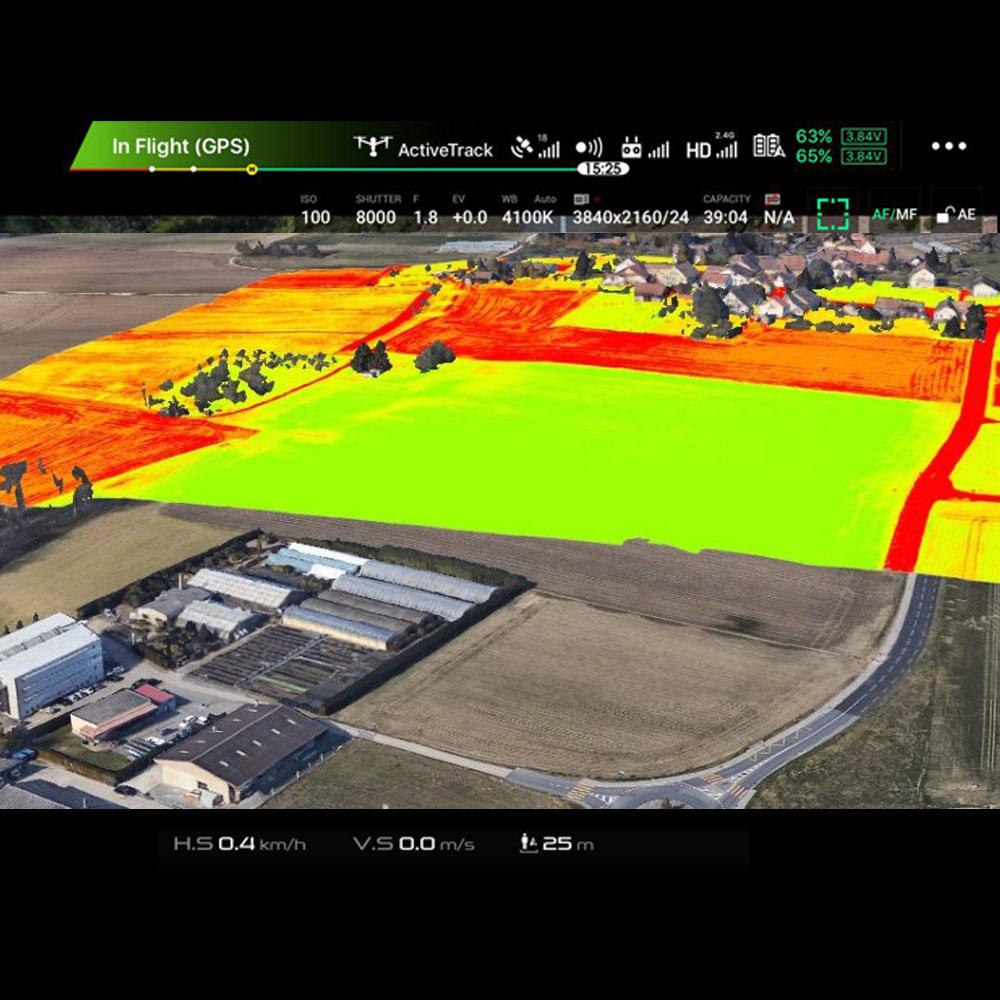
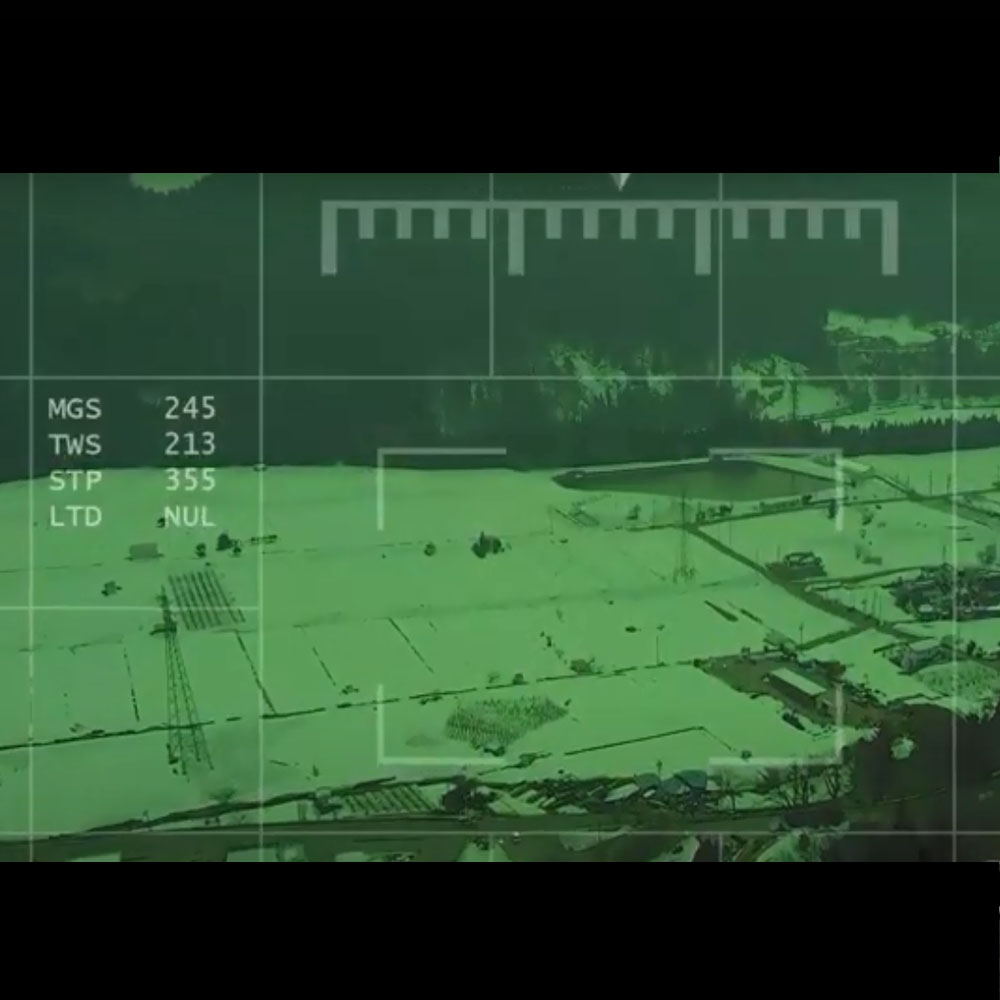
Gracias a esta tecnología unida a los sensores que incorporan, estos drones permiten ejecutar vuelos dinámicos y autónomos interactuando con las condiciones climatológicas y con la orografía del terreno. De esta manera la IA permite aumentar la seguridad de la aeronave, optimizar combustible y asegurar el éxito de las misiones.
Otro factor importante del uso de la IA es permitir el vuelo en enjambre, mantener varios drones de forma simultánea, pero controlados como si se tratase de uno solo.
Gracias a al modo enjambre se puede acceder a tareas de protección, vigilancia e identificación de mayor complejidad, y establecer rangos de territorios de mayor extensión, pero controlados por un solo operario.
b. AI Artificial Intelligence for UAV Drones
The use of IA technology is present in all Thoron Systems models.
Thanks to this technology and in combination with the sensors incorporated to the system, dynamic and autonomous flights are allowed, interacting with weather conditions and the orography of the terrain. In this way IA allows to increase the safety of the aircraft, optimize fuel and ensure the success of the missions.
Another important factor using IA are swarms. The system is able to manage several drones simultaneously, but controlled as a single one.
The swarm mode allows access to more complex protection, surveillance and identification tasks, establishing ranges of larger territories, controlled by a single operator.